Buy Bulk Powders and Machinery
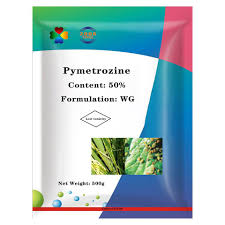
Pymetrozine powder is a highly effective insecticidal compound widely used in modern agriculture and pest control. Known for its unique mode of action, it targets specific pests, ensuring crop protection while minimizing environmental impact. As an active ingredient, Pymetrozzine offers a promising solution for farmers, pest control professionals, and agricultural suppliers seeking reliable pest management options. This comprehensive overview aims to inform potential buyers and users about the key aspects of Pymetrozzine powder, including its properties, benefits, applications, and safety measures.
Pymetrozzine is a synthetic insecticide belonging to the pyrazine chemical class. It is a crystalline powder that appears as white or off-white in color. The powder form enhances ease of handling, mixing, and application across various crop types. It is formulated with high purity levels, generally ranging from 95% to 98%, ensuring maximum efficacy and safety when used correctly.
The active ingredient works by disrupting the feeding behavior of specific pests, primarily aphids, whiteflies, and other sap-sucking insects. This targeted approach minimizes harm to beneficial insects, pollinators, and other non-target organisms, making Pymetrozzine an environmentally friendly pest control option.
Understanding the chemical makeup of Pymetrozzine powder is essential for proper handling and application. Its chemical formula is C12H8ClN3O, and it has a molecular weight of approximately 249.66 g/mol. The compound exhibits good stability under normal storage conditions, with a shelf life of up to 2-3 years when kept in a cool, dry place away from direct sunlight.
The powder form allows for precise dosing and uniform distribution across treated areas. Pymetrozzine’s solubility in water is moderate, which facilitates its formulation into water-based suspensions or concentrates suitable for various spraying equipment.
Pymetrozzine excels at controlling a broad spectrum of sap-sucking pests. Its mode of action inhibits the pests’ feeding behavior, leading to starvation and eventual death. Consequently, it reduces crop damage and yields losses, ensuring healthier harvests.
Unlike broad-spectrum insecticides, Pymetrozzine selectively targets specific pests without affecting beneficial insects like bees and ladybugs. This selectivity preserves the ecological balance, promoting sustainable agriculture practices.
Users will notice quick results after application, often within a few days. Additionally, Pymetrozzine provides residual control, offering protection for several weeks depending on environmental conditions and application frequency.
The powdered form simplifies mixing and application processes. It can be easily incorporated into spray tanks, ensuring uniform coverage. Its moderate water solubility ensures good adhesion to plant surfaces, enhancing efficacy.
Farmers increasingly adopt IPM strategies to reduce reliance on chemical pesticides. Pymetrozzine integrates well into IPM programs due to its targeted action and safety profile, supporting sustainable crop management.
Pymetrozzine powder is primarily used on crops susceptible to sap-sucking pests. These include vegetables like tomatoes, peppers, and cucumbers, as well as fruit crops such as citrus, grapes, and berries. Its application helps protect these crops from pests like aphids, whiteflies, and mealybugs, which can cause significant economic losses.
In controlled environments, Pymetrozzine provides an effective solution for pest management without the need for harsh chemicals. Its powdered form allows precise dosing, making it suitable for small-scale and commercial greenhouse operations.
Beyond edible crops, Pymetrozzine powder is also employed in protecting ornamental plants and landscaping shrubs. It ensures aesthetic appeal while maintaining plant health.
In some cases, Pymetrozzine is used to protect stored grains and produce from pests, although this application requires careful adherence to safety guidelines to prevent residues on food products.
To maximize effectiveness and ensure safety, users must follow specific handling and application protocols:
While Pymetrozzine is considered environmentally friendly and safe when used responsibly, users should observe safety precautions:
Proper storage extends the shelf life and maintains the potency of Pymetrozzine powder. Store in a tightly sealed container in a cool, dry, and dark place. Keep away from moisture, heat, and direct sunlight. Under optimal conditions, the powder remains effective for 2-3 years, making it a cost-effective choice for long-term pest management.
When sourcing Pymetrozzine powder for commercial or personal use, consider the following:
Pymetrozzine powder stands out as a highly effective, environmentally friendly, and user-friendly insecticide for modern pest control. Its targeted action against sap-sucking pests makes it a preferred choice for farmers, greenhouse operators, and landscapers aiming to protect their crops sustainably. By understanding its properties, application methods, safety considerations, and benefits, users can optimize pest management strategies, leading to healthier crops and improved yields.
Answer: Yes. Pymetrozzine is a selective insecticide that mainly targets sap-sucking pests. It has minimal impact on beneficial insects such as bees and ladybugs when used according to recommended guidelines. However, avoid applying during flowering periods when pollinators are active to further reduce risks.
Answer: Typically, Pymetrozzine provides residual control for approximately 2 to 4 weeks, depending on environmental conditions like rainfall, temperature, and application frequency. Regular monitoring and timely reapplication can ensure continuous pest protection.
Answer: Pymetrozzine generally exhibits good compatibility with many pesticides and fertilizers. Nonetheless, it is advisable to perform a compatibility test before mixing large quantities. Always follow the manufacturer’s instructions and avoid combining with incompatible chemicals to prevent adverse reactions.
Answer: The most common method is spraying. Mix the powder with water to create an even suspension, then apply using a calibrated spray equipment ensuring uniform coverage of the crop surface. Follow the recommended dosage and application timing for optimal results.
Answer: Absolutely. Always wear protective clothing, including gloves, masks, and eye protection during handling and application. Store the powder away from children and pets, and dispose of unused product responsibly. Read and follow the safety instructions provided by the manufacturer to prevent accidents.
If you need further assistance or detailed product specifications, please contact our customer support or visit our website’s product catalog.
There are no reviews yet.
Your email address will not be published. Required fields are marked *
Your review *
Name *
Email *
Save my name, email, and website in this browser for the next time I comment.




Reviews
There are no reviews yet.